How to Simplify Travel Planning for Large Groups
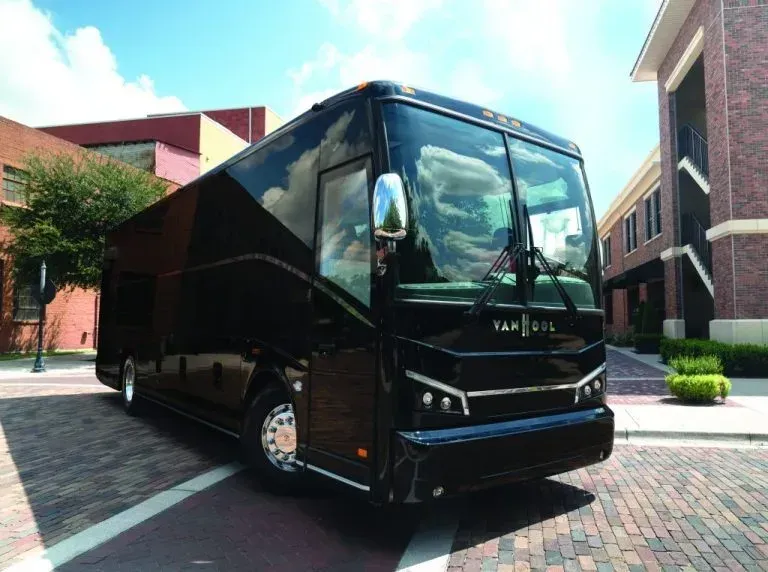
Coordinating transportation for a large group can quickly become a complex task when multiple schedules, pickup arrangements, and travel expectations are involved. Whether the event includes business functions, family occasions, group excursions, or special celebrations, making sure everyone arrives together and on schedule requires careful preparation. A structured transportation strategy here helps reduce uncertainty, avoid delays, and enhance the overall experience for all travelers. By understanding the key elements of group transportation coordination, organizers can create a seamless travel experience from beginning to end.
When groups travel as one, transportation becomes much more than a means of getting passengers from one point to another. It contributes meaningfully to the success of the overall experience. Effective coordination helps keep schedules on track, enhances communication among travelers, and supports a more comfortable trip. At A1 Quality Express Limousine, we know that well-planned transportation solutions help groups enjoy a confident and hassle-free travel experience.
Initiate Transportation Planning Well Before the Event
Effective group transportation starts with advance preparation. Waiting until the last minute can limit available options and make it more difficult to accommodate the specific needs of the group. Coordinators should initially determine the number of travelers, key travel dates, departure estimates, and destination expectations. Obtaining these details early helps establish a dependable framework for organizing transportation that supports the overall itinerary.
Advance planning also allows time to identify potential challenges before they become problems. Various factors, including traffic patterns, pickup arrangements, accessibility requirements, and event schedules, may influence transportation decisions. Considering these details beforehand enables planners to design transportation strategies that improve efficiency. Thorough preparation often results in smoother travel experiences and fewer unexpected disruptions.
Assess the Number and Needs of Participants
A critical transportation planning task is evaluating the number of participants and their specific requirements. Correct passenger totals help planners choose suitable vehicles while avoiding capacity-related issues. Planners should verify attendance information early and revise those numbers whenever plans change.
Beyond passenger numbers, it is important to consider individual needs within the group. Travelers may have varying requirements, including extra luggage space or specialized support services. Identifying these needs enables organizers to customize transportation solutions effectively. Obtaining comprehensive details helps planners deliver greater comfort and efficiency throughout the trip.
Create a Detailed Transportation Schedule
A structured transportation timetable acts as a blueprint for all participants. Organizers should outline departure times, pickup locations, travel durations, arrival targets, and any planned stops along the route. Having a detailed schedule minimizes uncertainty and helps everyone understand where they need to be and when. Consistency and clarity are especially valuable when managing larger groups with multiple participants.
Clear communication is essential for making transportation schedules successful. Every passenger should receive transportation details well before the event begins. Sharing itineraries through email, messaging platforms, or printed materials helps keep everyone informed. Clear expectations help transportation operations function more effectively and smoothly.
Establish Centralized Pickup and Drop-Off Locations
Handling several pickup points can add unnecessary complications to large-group travel. Whenever possible, organizers should establish centralized pickup and drop-off points that are convenient for participants. Combining meeting points simplifies boarding procedures and reduces delays from multiple stops. It also enhances communication and increases overall operational efficiency.
Using centralized locations makes it easier to verify all passengers before leaving. Group coordinators can confirm attendance, provide updates, and address concerns before departure. This organized approach helps ensure that everyone is prepared and that transportation operations stay on schedule. Well-defined meeting areas contribute to efficient and organized transportation.
Prioritize Clear Communication Throughout the Process
Good communication is one of the key components of coordinated group travel. Participants should be updated regularly on schedules, pickup details, travel expectations, and any modifications. Clear and correct information prevents misunderstandings and supports preparation. Strong communication supports both efficiency and passenger satisfaction.
Coordinators should set up consistent communication methods for all updates. Group chats, email updates, and assigned representatives help ensure fast communication. Communication remains the core element that maintains alignment within transportation planning. Consistent information sharing helps ensure smooth and uninterrupted travel.
Be Ready for Unplanned Events
Even the most organized transportation plans can experience surprises. Conditions such as weather, traffic, timing changes, and delays may demand immediate action. Incorporating adaptability helps ensure smooth responses to unexpected events. Good preparation improves resilience during unexpected changes.
Contingency planning should include backup communication methods, alternate routes when appropriate, and designated points of contact who can assist with decision-making. Having clear processes reduces pressure and improves response organization. Forward planning ensures transportation continues smoothly even when changes are required.
Highlight Comfort and Ease for Travelers
Passenger comfort is essential to a positive transportation experience. Extended group travel makes comfort and convenience key priorities. Comfort-focused arrangements help create a pleasant journey atmosphere. Comfortable travelers are more likely to enjoy the journey and arrive prepared.
Convenience also contributes to successful transportation coordination. Streamlined boarding, clear guidance, and structured timing minimize issues for travelers. When transportation is thoughtfully organized, travelers can focus on enjoying the event rather than worrying about logistics. A comfortable and convenient journey often enhances the overall success of the occasion.
Work with Experienced Transportation Professionals
Managing large-group transportation requires coordination across many factors, making expert support beneficial. Experienced transportation providers understand how to manage schedules, coordinate passenger movements, and maintain efficient operations throughout the journey. Their knowledge supports smooth navigation of logistical challenges and ensures reliability.
Experienced teams offer insights that improve planning and execution. Their experience with group travel helps them anticipate issues and suggest effective solutions. By leveraging professional experience, organizers can focus on the event itself while transportation logistics are managed with attention to detail and care.
Include Transportation as an Event Component
Group travel should be treated as part of the event experience rather than basic transit. Coordinated travel allows guests to start experiencing the event early. Well-managed transport enhances the event atmosphere and experience.
At A1 Quality Express Limousine, we believe successful group transportation begins with thoughtful planning, clear communication, and a commitment to passenger satisfaction. Organizing large-group transportation does not need to be overwhelming when proper strategies are applied. By focusing on organization, preparation, and traveler comfort, groups can enjoy a seamless journey that supports the success of any occasion. We are committed to creating reliable travel experiences that ensure passenger peace of mind.